

Lessons from Snow White and the Seven Learners
At My FUNiture Story, a child-centric design studio, we believe learning environments play a vital role in shaping children’s development. Taking inspiration from the classic tale of Snow White, which brings together seven distinctly different characters, we explored how this story offers an important lesson for education: that every learner is unique. Our belief is in creating inclusive spaces that respond to diverse ways children learn, move, interact, and grow, ensuring classrooms support all kinds of learners rather than expecting children to adapt to a single environment.
Children develop in different ways and at different rhythms
Just like Snow White’s seven learners
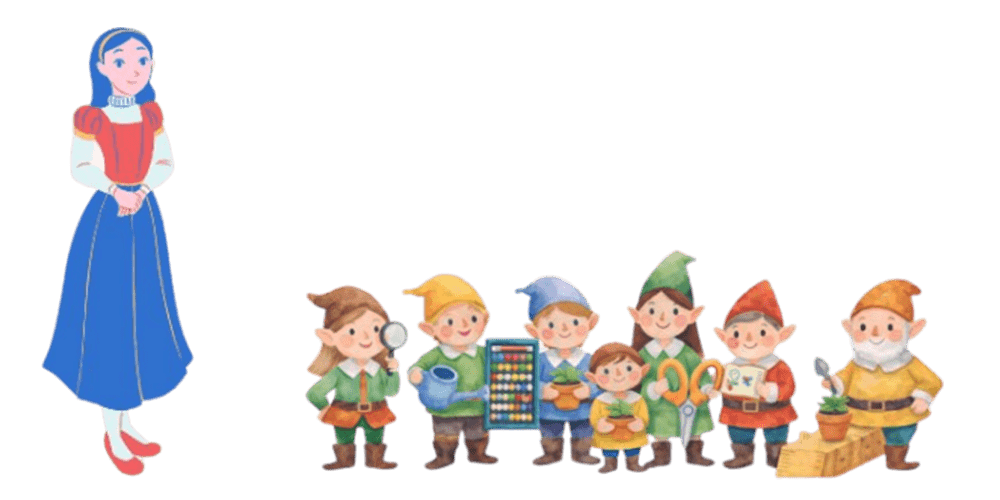
- Doc, the problem solver who loves logic and deep thinking
- Dopey the mover, who thrives on physical activity
- Bashful, the self-aware, reflective child
- Happy the social learner who enjoys collaboration
- Grumpy, the expressive child with big emotions and creativity
- Sleepy, the child who needs a pause and focus
- Sneezy, the sensory explorer who learns through touch, sound, and visuals

“Every learner thinks, feels, and moves differently – and thoughtful design ensures every need is supported. “
Doc — The Problem Solver: Logic walls, puzzles, and quiet focus zones support concentration and cognitive engagement.
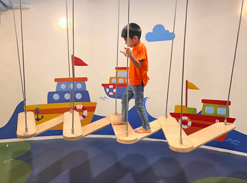
Dopey — The Mover: Open play areas, balance elements, climbing features, and soft flooring encourage learning through movement.
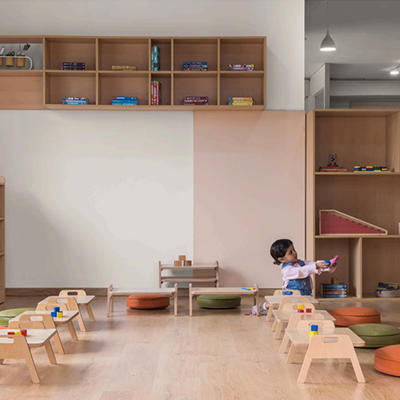
Happy — The Collaborator: Shared tables and group zones foster teamwork, communication, and social connection.
Bashful — The Reflective Learner: Quiet nooks, mirrors, soft lighting, and calm spaces support self-awareness and socio-emotional regulation.
Grumpy — The Expressive Learner: Art walls, sensory panels, flexible seating, and calm-down corners provide outlets for creativity and emotional expression.
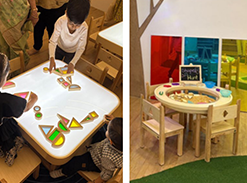
Sleepy — The Observer: Soft lighting, visual calm, and acoustic balance create environments that support pause and focused attention.
Sneezy — The Sensory Explorer: Tactile paths, light play, sound elements, and varied materials encourage balanced sensory discovery.
“A well-designed classroom does not separate children by ability – it layers opportunities within one shared environment.”
Snow White’s Vision of an Inclusive Classroom:
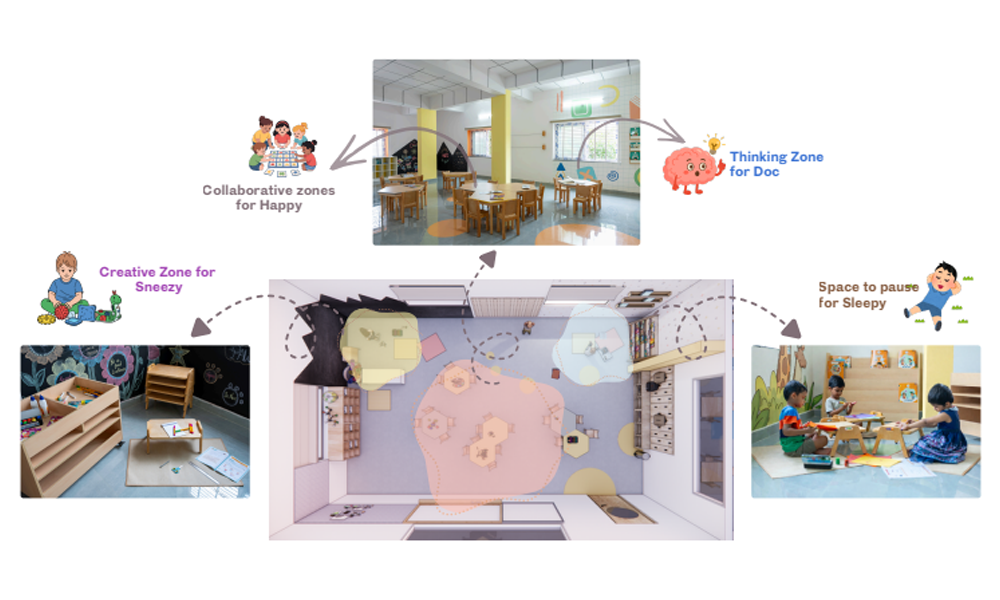
Before finalising a classroom design, it is worth reflecting:
- Does this classroom support multiple learning styles — allowing children to move, think, collaborate, and pause within the same space?
- Is the sensory environment balanced, with clear areas for focus, regulation, and reset when a child feels overwhelmed?
- Can children use the space independently, and will the design remain flexible and relevant for years to come?
“Strong design begins with asking the right questions.”
At My FUNiture Story, this belief lies at the core of our child-centric design philosophy — creating environments that support diverse learners and their evolving needs. Because in every classroom, there is a Doc, a Dopey, a Happy, a Grumpy, a Sleepy, a Sneezy, and a Bashful, and each one deserves a space designed with intention to truly thrive.
